26 November 2026 · 6 min read
What to Eat After Wisdom Tooth Extraction: A Step-by-Step Guide
By Dr. Park Junsun, Korean board-certified specialist in Integrated Dentistry
Hello, I'm Dr. Park Junsun, director of The Reborn Dental Clinic in Suwon.
Right after a wisdom tooth comes out and the gauze is removed, many patients ask the same thing: "So what can I eat now?" Is it porridge only? Is milk okay? When can I go back to normal meals?
What you eat matters, but so do how and when you eat. This guide walks through why food needs care after an extraction, what to eat at each stage, and which foods and habits to avoid.
- Day 1: wait until the numbness wears off, then eat soft, lukewarm or cool food.
- Chew on the other side and move up to firmer food step by step over about a week.
- Avoid straws, hard spitting, alcohol and smoking for the first few days.
- If pain eases and then gets worse again around day 3–4, have the socket checked.
Why does food matter after a wisdom tooth extraction?
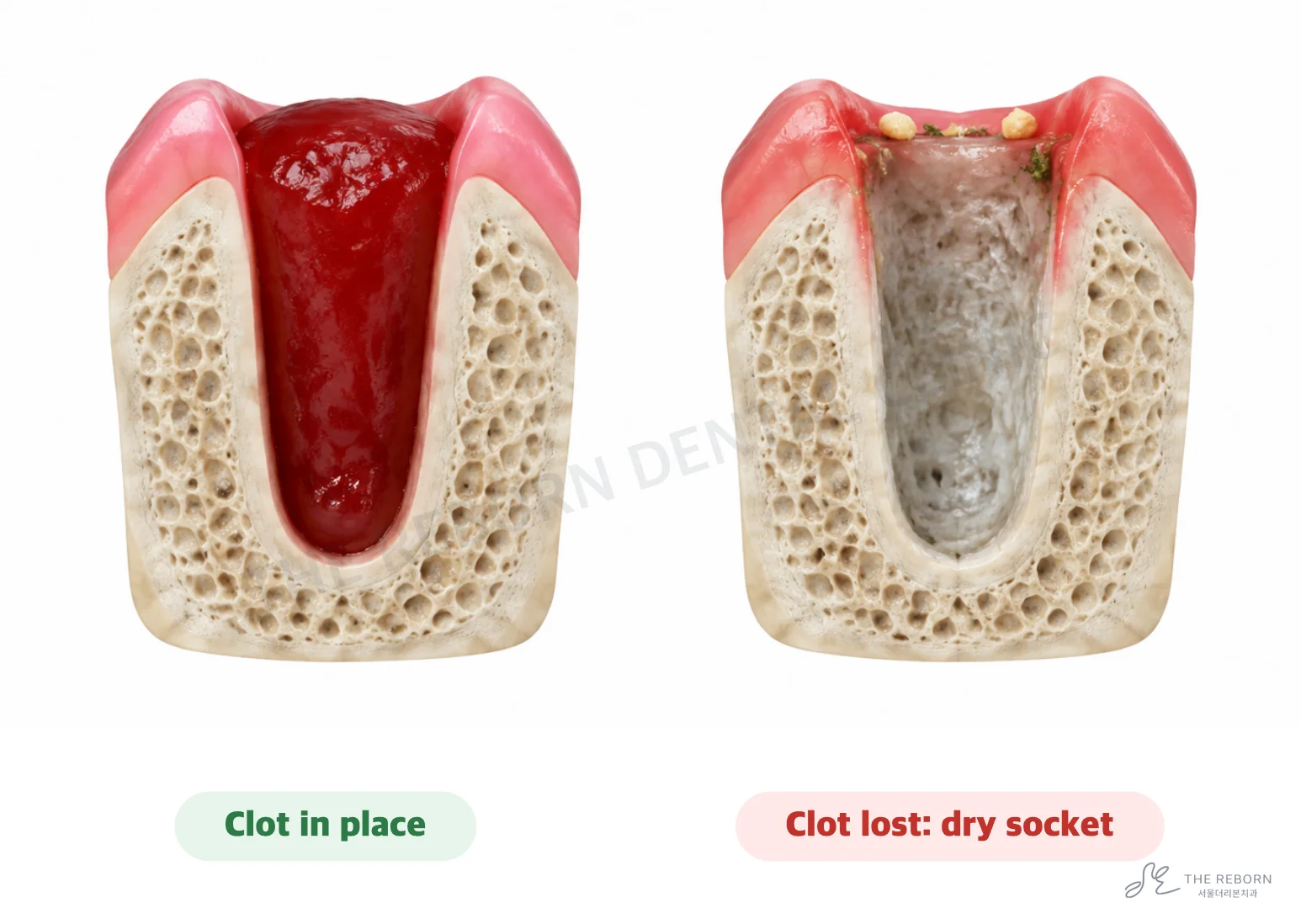
After the tooth is removed, blood fills the socket and forms a clot. This clot protects the wound and becomes the base on which new gum and bone grow back.
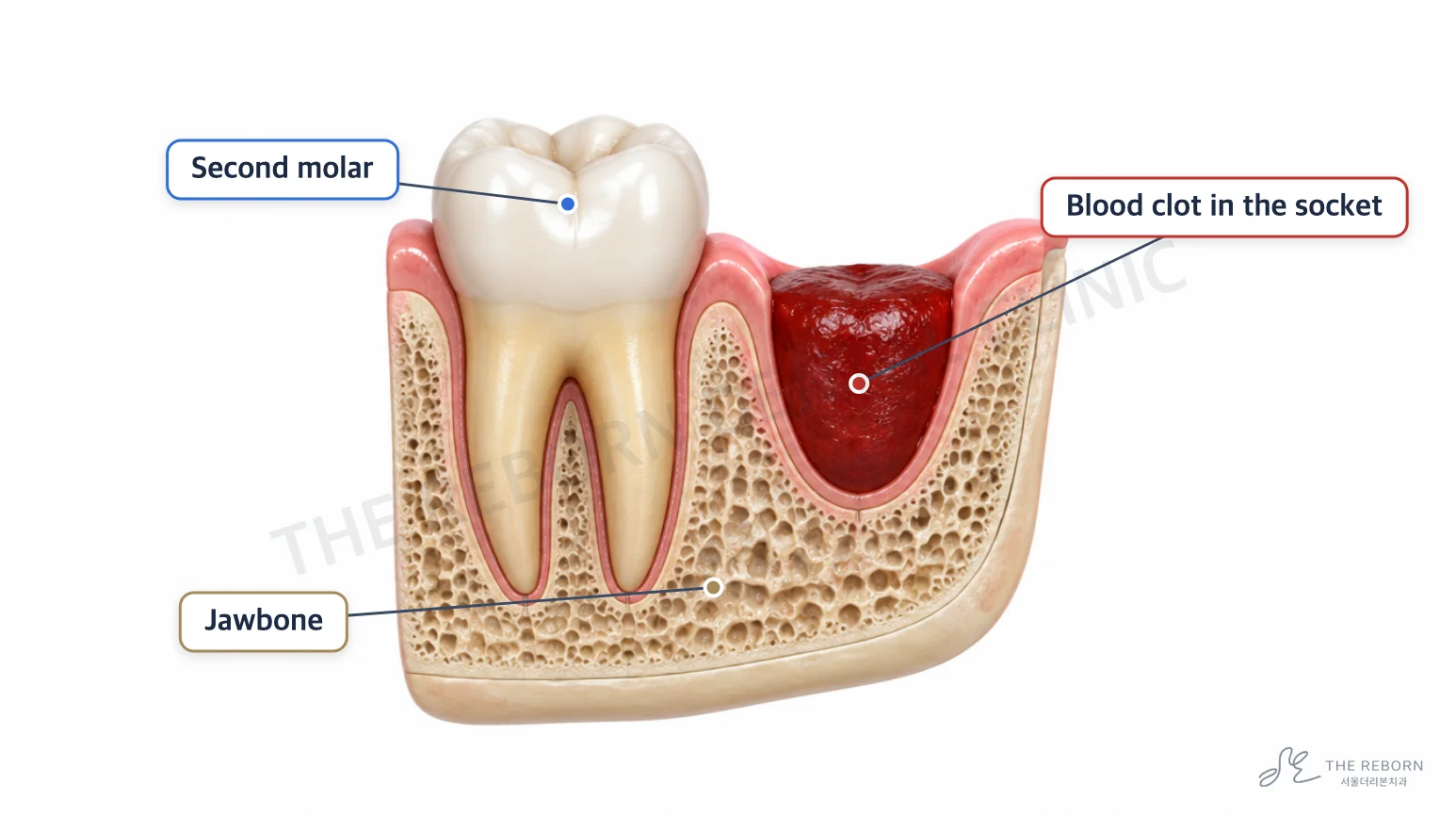
If the clot comes away too early, the bone underneath is exposed and a painful condition called dry socket can develop. Dry socket pain usually starts 1 to 5 days after the extraction, so this is the period when food and daily habits need the most care.
The basic rule is simple: choose soft food that won't disturb the wound, and chew on the side where no tooth was taken out. Swelling and soreness can make it hard to open your mouth wide for a few days, so a small spoon and small bites help.
What can I eat on the first day?
On day one, keep biting on the gauze for as long as you were told, and start eating only after the anaesthetic has worn off. While your lip, cheek or tongue is still numb, it is easy to bite them without noticing.
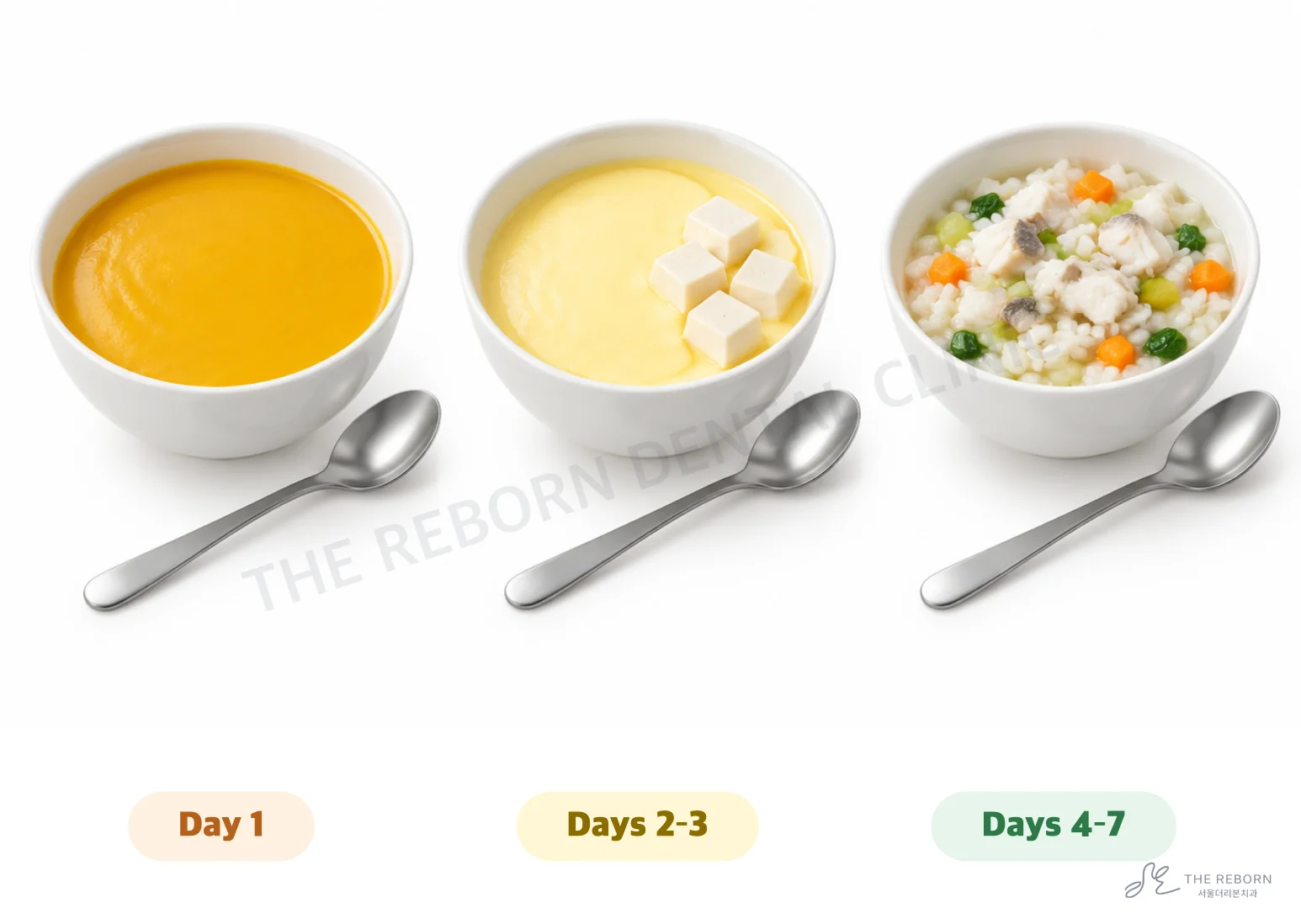
Good choices are foods you hardly need to chew: thin rice gruel (mieum), pumpkin porridge, Korean steamed egg (gyeran-jjim) or soft tofu, eaten lukewarm or cool. If you have been prescribed medication, it is better to eat a little soft food than to skip meals.
Drink plenty of water, but don't rinse your mouth hard on the first day.
When can I eat normally again?
How long eating stays uncomfortable depends on how involved the surgery was and how much swelling you have, but for most people it eases a lot within about a week.
A 2016 study followed the quality of life of 135 patients for two weeks after surgical removal of a lower wisdom tooth.
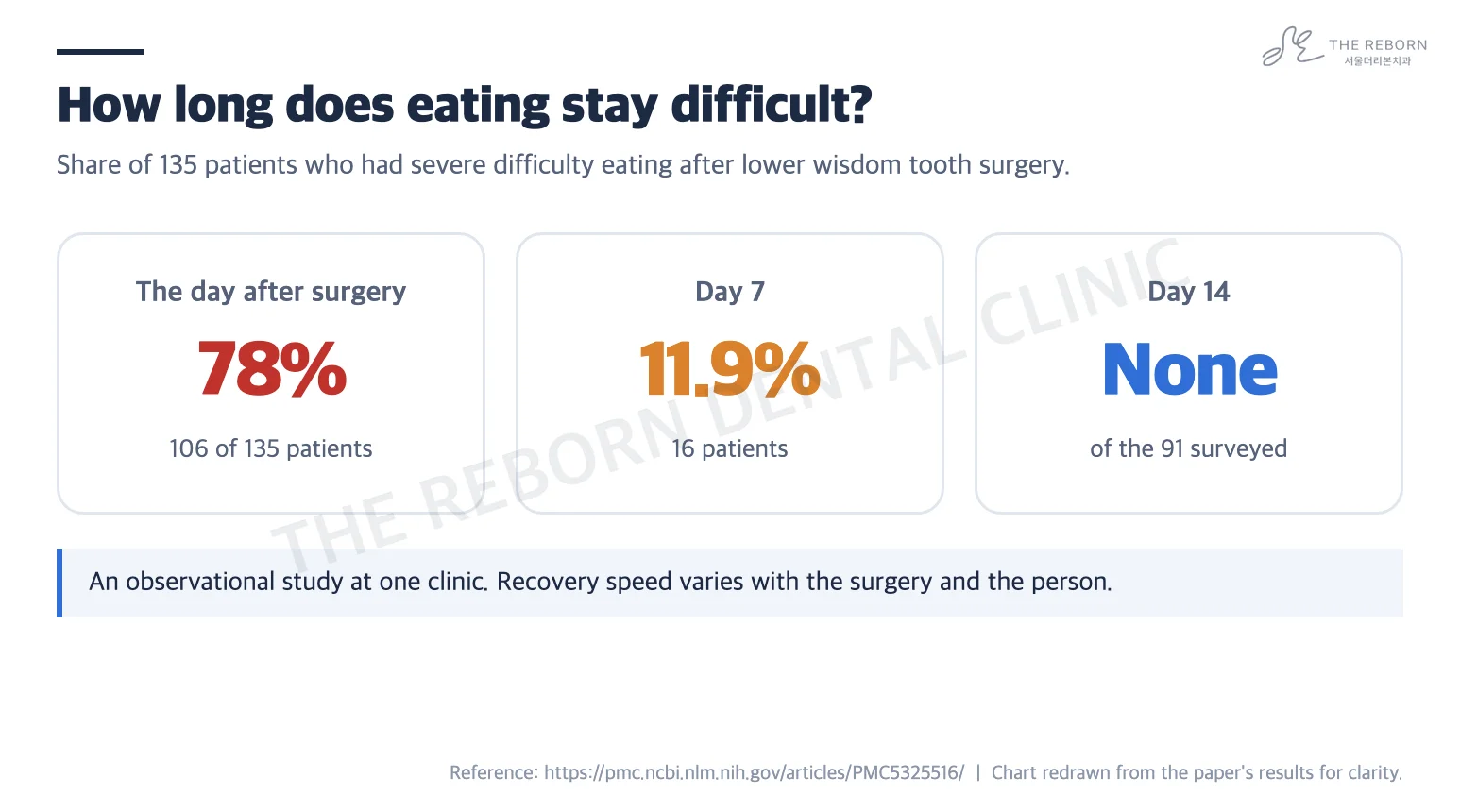
These results come from one clinic in one region, so they aren't a timetable for any single person's recovery. Upper wisdom teeth are usually easier: a 2017 study of upper wisdom teeth found that 7% of patients noticed a change in chewing; the authors noted that other studies have reported up to 80% for lower wisdom teeth. It was a small study, so this is only a rough comparison.
| When | Good foods | Keep in mind |
|---|---|---|
| Day 1 | Thin rice porridge, pumpkin porridge, steamed egg | Start after the numbness wears off |
| Days 2–3 | Porridge, soft tofu, mashed potato | Swelling and soreness may still be there |
| Days 4–7 | Soft rice, tender fish, cooked vegetables | Chew slowly on the other side |
| After 1 week | Gradually back to normal meals | Leave hard and chewy food for later |
Move up one step at a time as the pain settles. Because you may be eating less than usual, soft protein foods such as eggs, tofu and fish are worth including.
Which foods and habits should I avoid?
Hot, spicy or salty food can irritate the wound, and nuts or small seeds easily get stuck in the socket, so it's best to avoid them for a few days.
Sucking hard through a straw or spitting often can also disturb the blood clot. Alcohol can affect bleeding and healing and shouldn't be mixed with prescribed medication, so avoid it for a few days too.
Smoking in particular is closely linked to dry socket. A 2022 systematic review pooled 11 studies on smoking and dry socket.
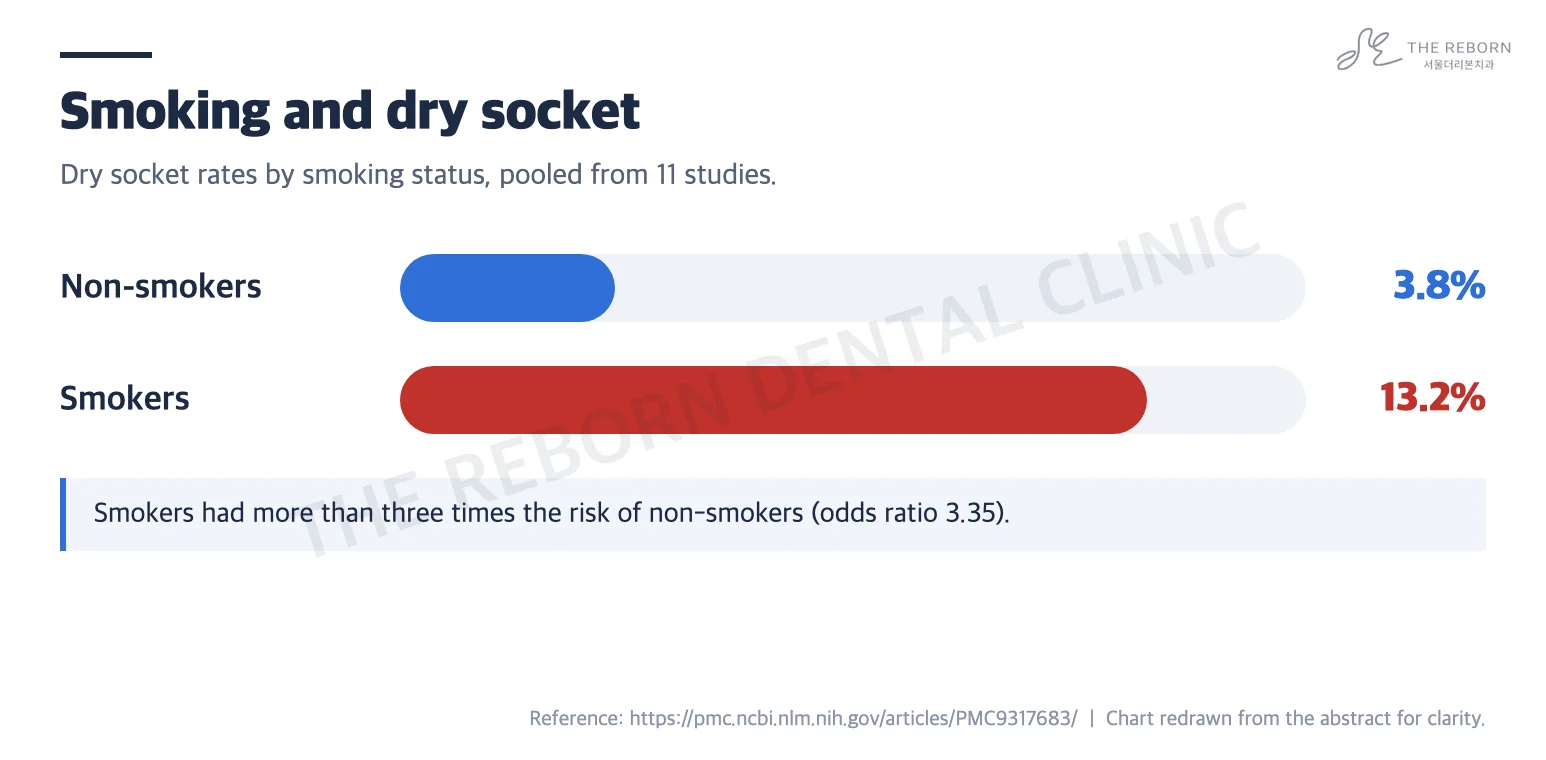
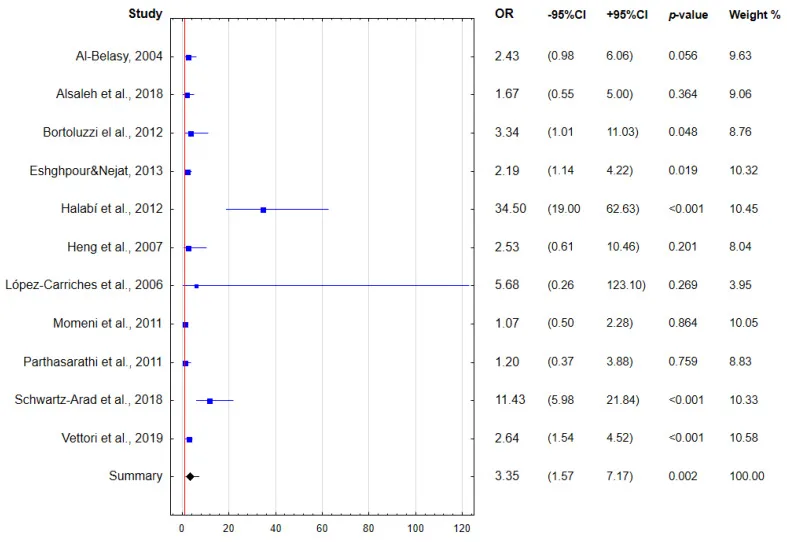
The included studies differed in which teeth and which age groups they looked at, so the numbers can't be applied directly to everyone, but it is wise not to smoke for the first few days after an extraction.
A 2026 study of 303 patients also found that people who followed their after-extraction instructions were less likely to develop dry socket. It was an observational study at a single clinic, so it didn't measure the effect of each instruction separately.
How fast you return to normal food depends on the wound, the swelling and the pain. In many cases, about a week of extra care is enough.
But if the pain eases and then gets worse again around day 3 or 4, or you notice bad breath, fever or increasing swelling, have the socket checked by the dentist who treated you rather than waiting it out.
Email us at rbdent@naver.com and Dr. Park will reply personally. You can also call 031.225.1410 (+82-31-225-1410) during opening hours. We are near Suwon City Hall Station — directions.
- Dairy after wisdom tooth surgery — randomised trial (2026)
- Dairy avoidance advice — survey study (2022)
- Quality of life after lower third molar surgery (2016)
- Upper third molar extraction outcomes (2017)
- Smoking and dry socket — systematic review (2022)
- Post-extraction instructions and dry socket (2026)
This article is general health information, not a diagnosis. Recovery and when you can eat normally depend on the position of the tooth, the extent of surgery, your general health and any medication you take, so please follow the advice of the dentist who treated you. Research results describe what was observed under each study's conditions and do not guarantee any individual outcome.