GENERAL CARE
Prosthetic Treatment
Inlays, crowns, bridges and dentures restore the function and appearance of missing teeth. We proceed once we have determined precisely which restoration suits the extent of the damage and your situation.
Prosthetic treatment: restoring how your teeth work
Prosthetic treatment replaces teeth that have been lost, or extracted because of decay, gum infection or trauma, with artificial ones. The main types are inlays, crowns, bridges and dentures.
What is an inlay?
Where decay has formed between teeth or on the chewing surface, the decayed part is removed and the space filled with gold, composite or ceramic.
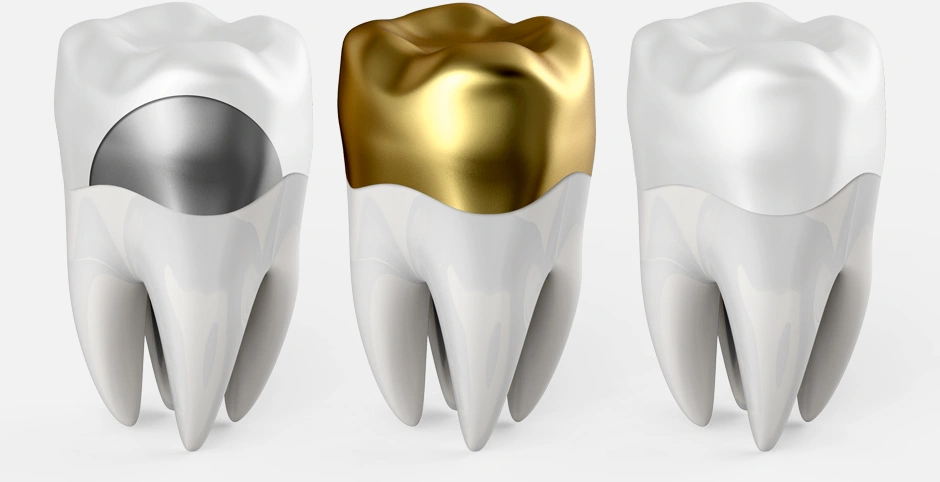
Ceramic inlay
Its colour and strength are close to natural tooth, so the treatment is barely noticeable.
Gold inlay
Very strong, resistant to corrosion and staining from saliva or food, and unlikely to fracture.
| Composite filling | Inlay | |
|---|---|---|
| When it is used | Suited to small cavities in areas that take little chewing force | Used where decay has formed between teeth or on the chewing surface |
| Advantages | Bonds well so it rarely comes loose, and closely matches tooth colour | Made to the exact shape of the lost tooth structure, restoring function almost fully |
| Disadvantages | Not strong enough for large cavities or areas under heavy load | The restoration costs more |
Actual inlay treatment: before and after
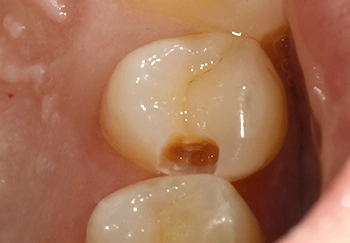
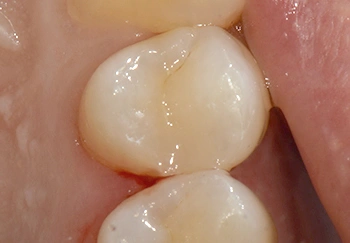
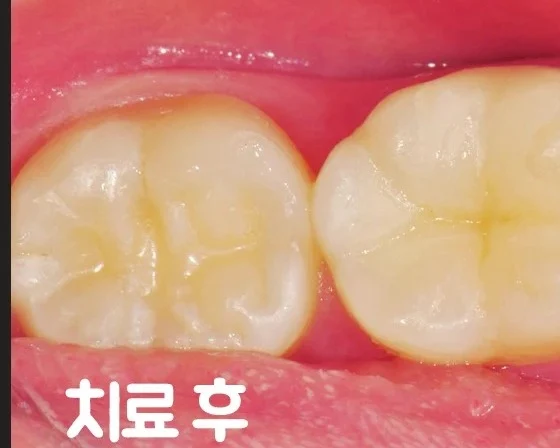
A case finished with a ceramic inlay after cavity treatment.
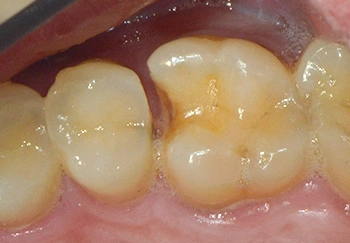
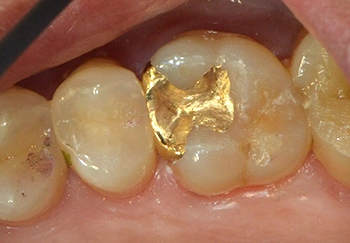
A molar finished with a gold inlay after cavity treatment.
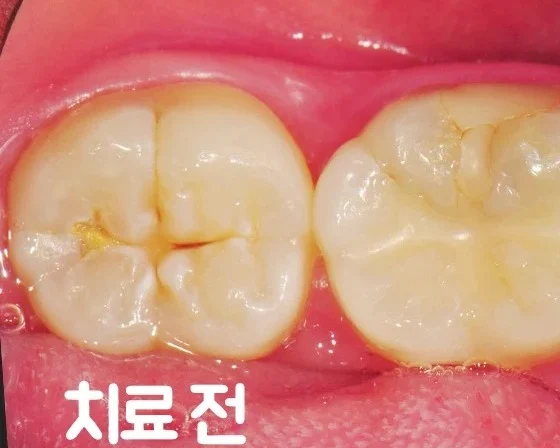
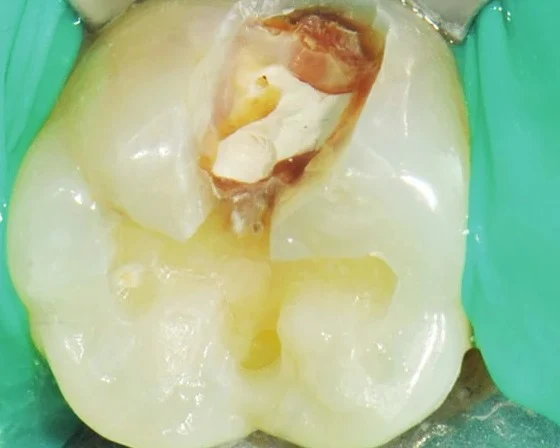
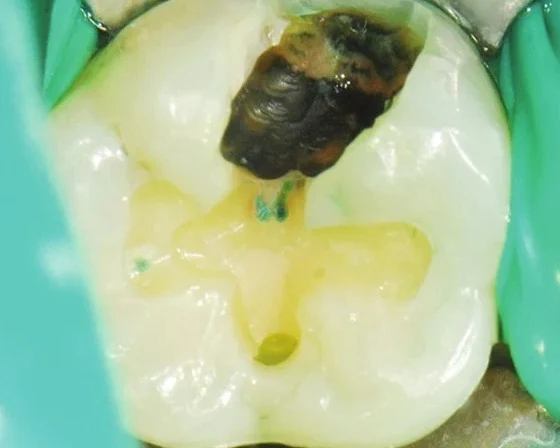
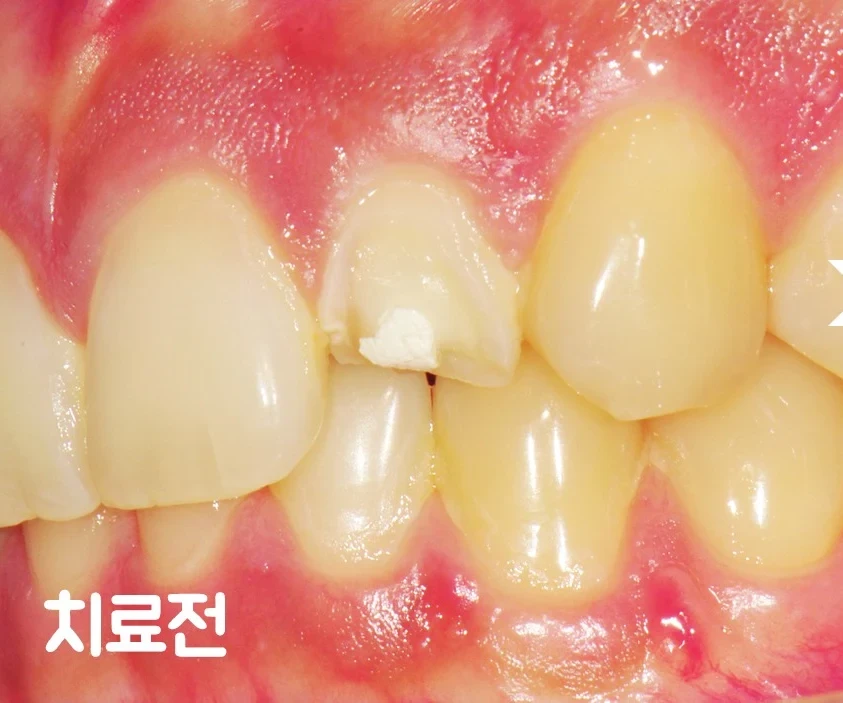
An actual ceramic inlay treatment, step by step
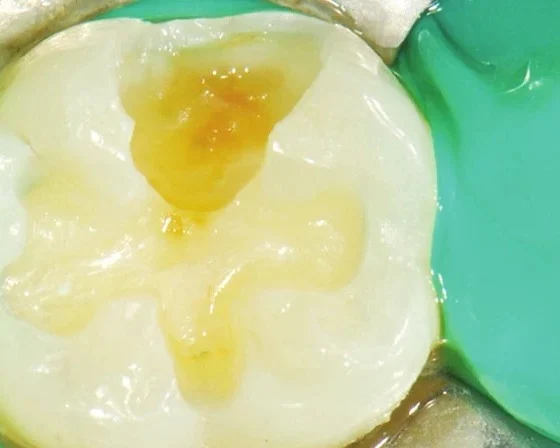
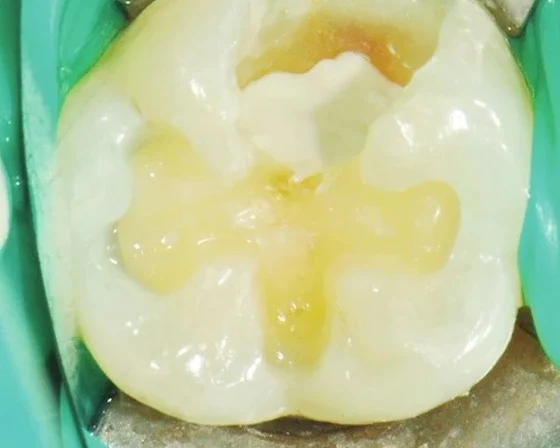
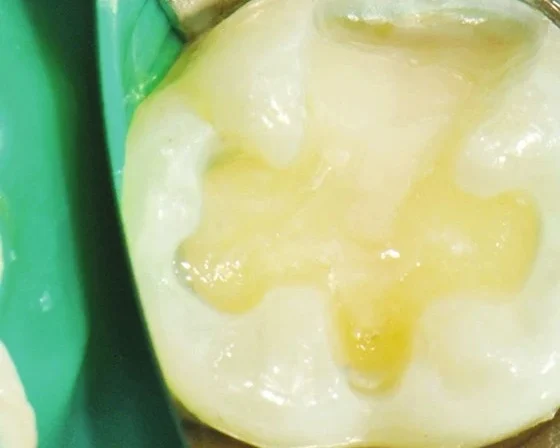
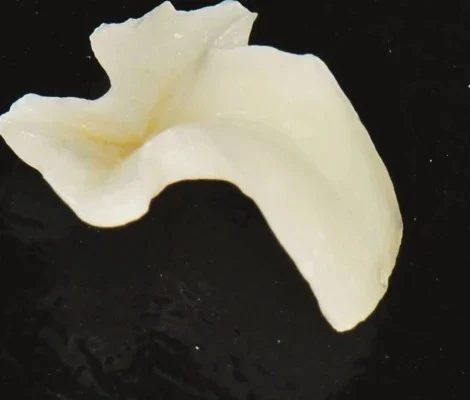
What is a crown?
Where a tooth is broken or heavily decayed, it is prepared and an impression taken, and a restoration covering the whole tooth is fitted to preserve it and restore its shape.
The crown procedure
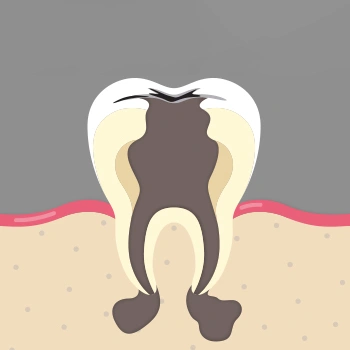 01Assessing the decay
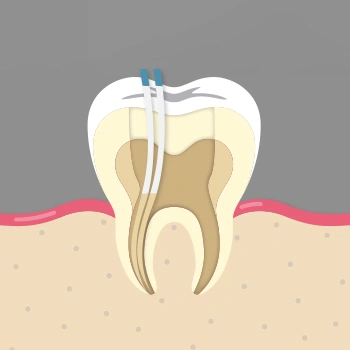 02Removing decay and, if needed, root canal treatment
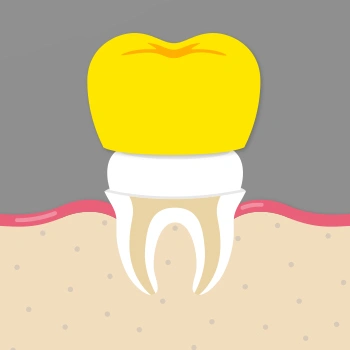 03Taking an impression and making the crown
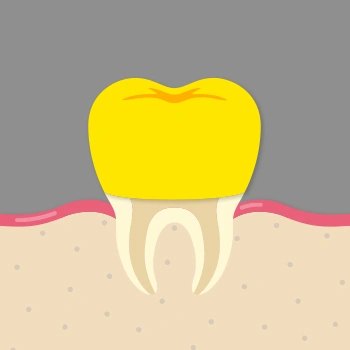 04Fitting a crown that looks like a natural tooth
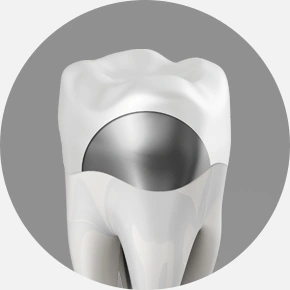
PFM
Porcelain is fused onto a metal base. It is strong, but the metal blocks light so the tooth can look slightly duller, and over time the metal underneath may show through as a darker gum line.
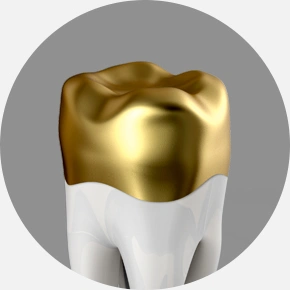
Gold
Close to natural tooth colour and relatively affordable. The porcelain layer can fracture, the metal underneath may darken the gum line, and it is unsuitable if you have a metal allergy.
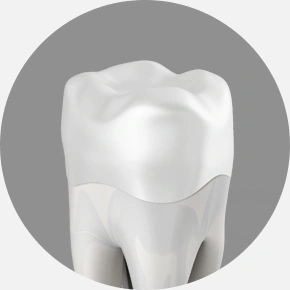
Zirconia
So natural that it is hard to distinguish from a real tooth, very strong, highly biocompatible and unlikely to cause allergy.
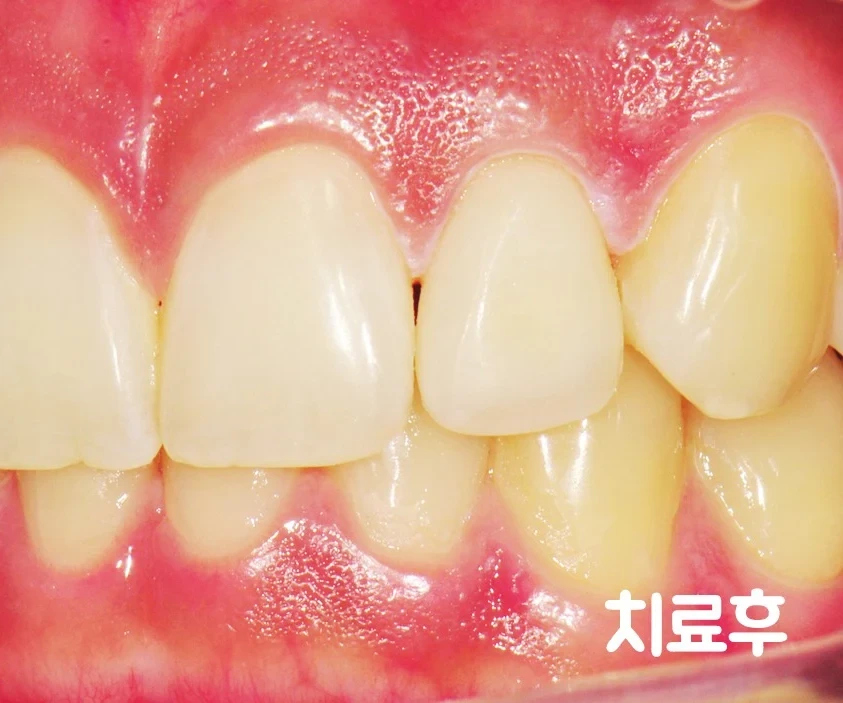
PFM and all-ceramic, side by side in actual cases
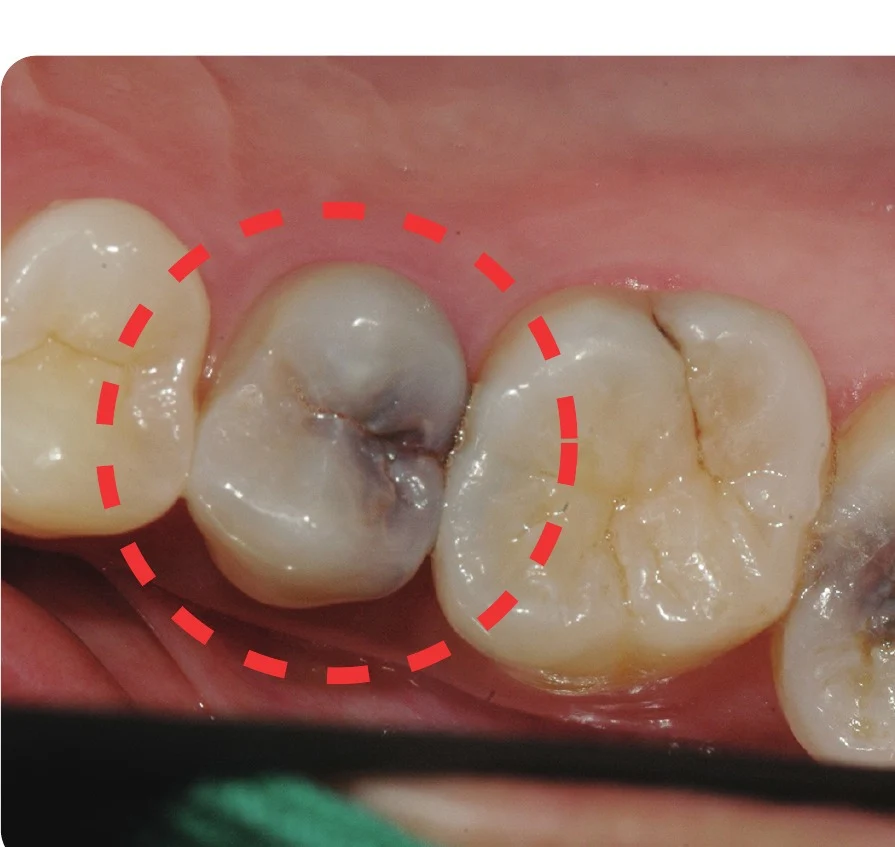
A PFM crown is porcelain fused onto a metal base — strong, but the metal blocks light so the tooth can look slightly duller, and over time the metal underneath may show through as a darker gum line. An all-ceramic crown, made without metal, lets light pass through much as a natural tooth does, giving it the closest match to natural tooth colour. Below are actual cases finished with each material.
A PFM crown case
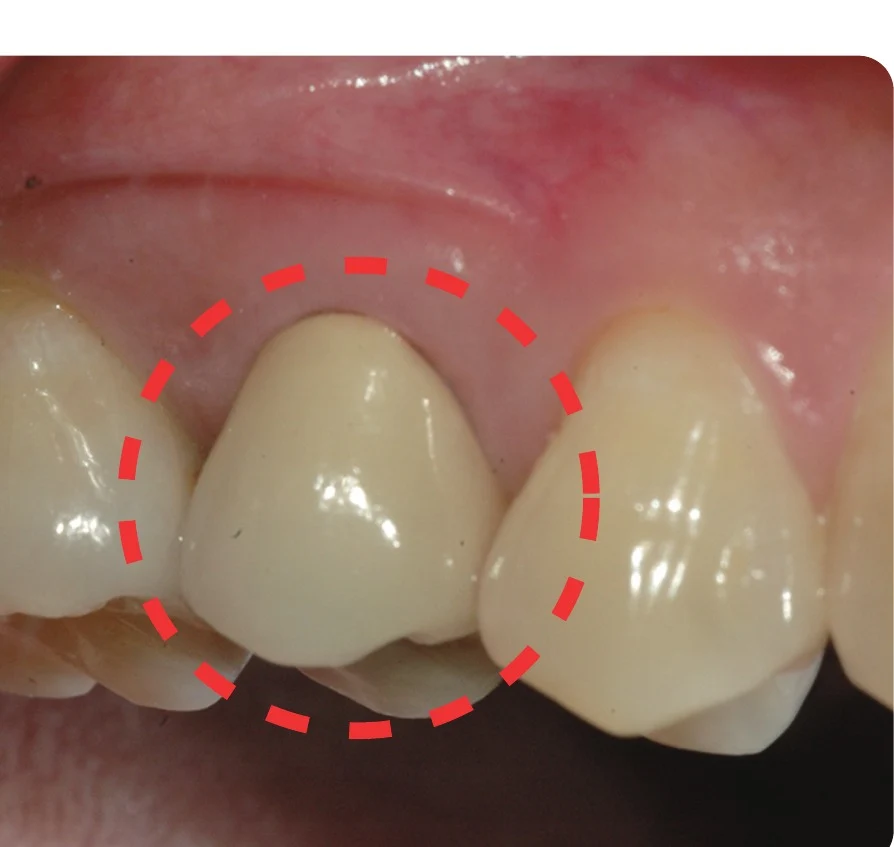
An all-ceramic crown case
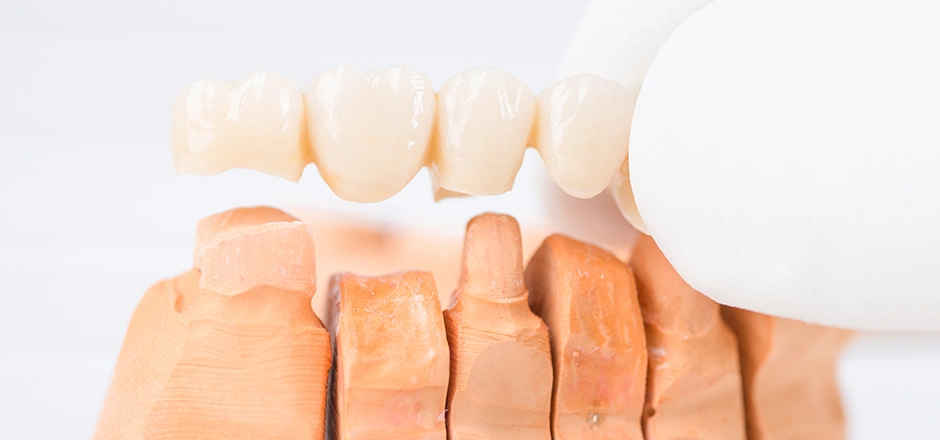
What is a bridge?
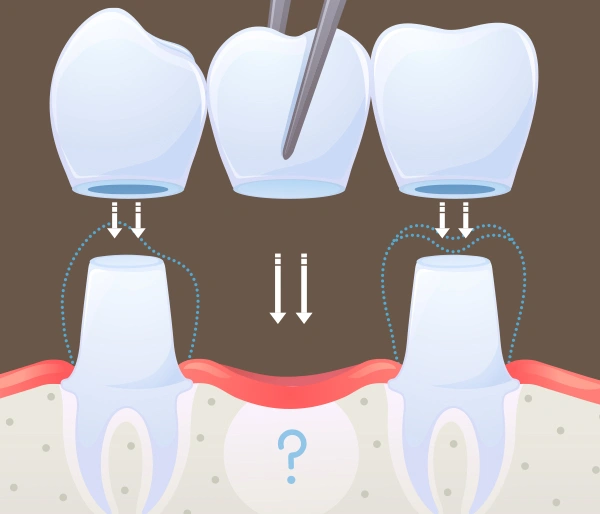
Where a tooth has been lost to severe decay or trauma, the neighbouring teeth are used to support a replacement. The restoration spans the gap, anchored to the teeth on either side — hence the name "bridge".
- When you want a less expensive option than an implant
- When one or two teeth are missing
- When the teeth next to the gap also need restoring
- When you would rather avoid surgery
| Bridge | Implant | |
|---|---|---|
| Method | The teeth either side are prepared and three units joined together, filling the gap with an artificial tooth | An independent artificial root is placed into the bone |
| Treatment time | 1–2 weeks | Same day to 6 months |
| Appearance | Good | Good |
| Chewing force | Bone around the teeth continues to be lost, and chewing force may decline somewhat | Very close to a natural tooth |
| Disadvantages | Some tooth structure is lost on either side, and treatment is difficult if those teeth are loose | Treatment takes longer and food can catch between the teeth |
What are dentures?
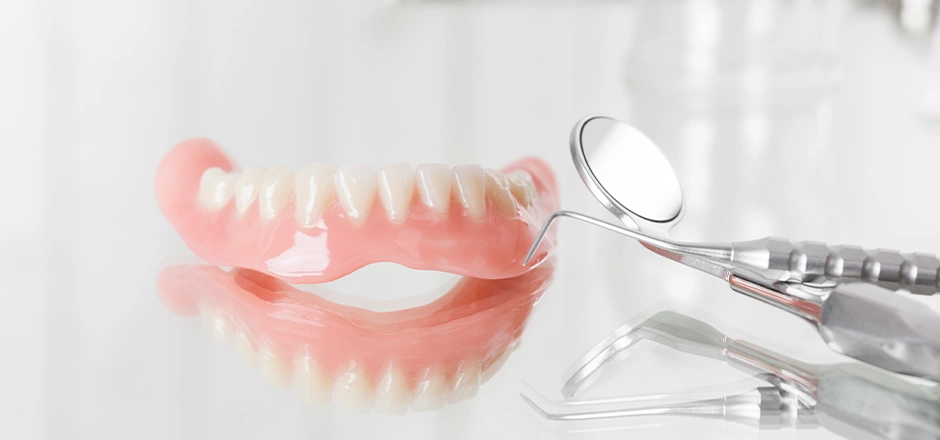
A removable restoration that you can put in, take out and clean yourself, replacing missing teeth with artificial ones. Both chewing function and appearance are far better than they once were.
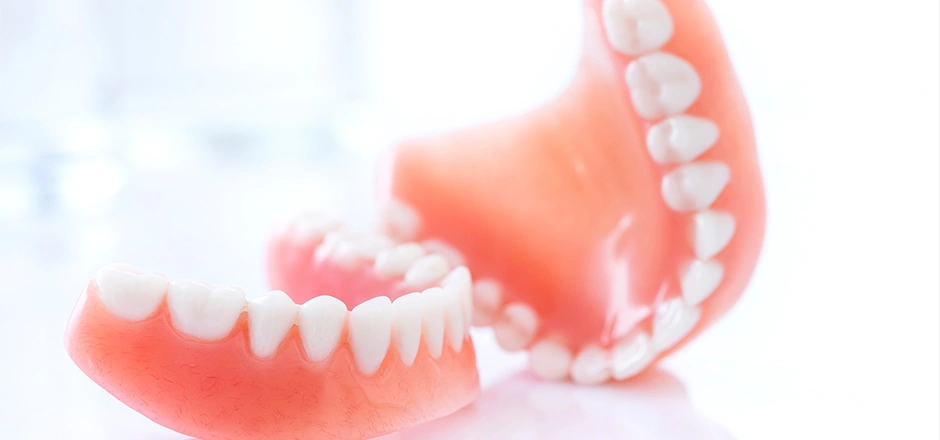
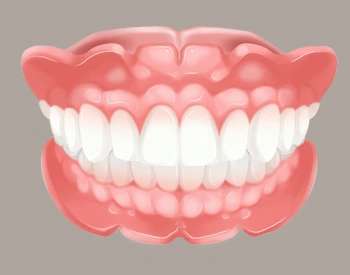
Complete denture
Used when all teeth have been lost to periodontal disease or an accident. Where bone loss is relatively limited, the denture seats well on the gum and chewing is comfortable.
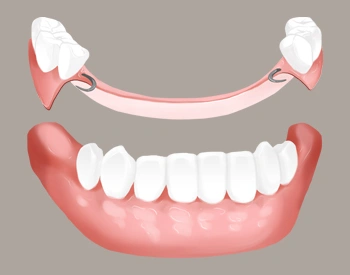
Partial denture
Used when several teeth have been lost. It cannot match the chewing force of natural teeth, but it greatly reduces difficulty with eating.
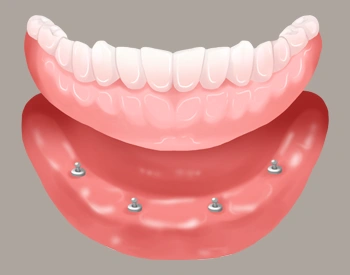
Implant-supported denture
Used where roughly two to six implants can be placed. It is far less likely to come loose, allows you to chew tougher foods, and can deliver over 80% of the chewing force of natural teeth.
Denture insurance coverage
- Eligibility: national health insurance subscribers or dependants aged 65 and over
- Types covered: complete dentures (fully edentulous) / partial dentures (partially edentulous)
- Frequency: once every seven years
- Patient contribution: 30% (5% for near-poor patients with rare or intractable conditions, 15% for those with chronic conditions)
These are actual cases treated at our clinic. Results vary from person to person, and side effects may occur.
← Back to general care