GENERAL CARE
Cavity Treatment
The earlier a cavity is found, the smaller the treatment needs to be. Depending on how far it has progressed we work up in stages from composite fillings to inlays and crowns, and we determine precisely whether root canal treatment is required before going only as far as necessary.
The sooner a cavity is treated, the better
When the pain from a decayed tooth comes and goes rather than staying constant, it is easy to dismiss it and put off treatment. But decay left untreated can lead to inflammation, or allow bacteria to reach the nerve so that root canal treatment becomes necessary. In the worst cases the tooth cannot be saved at all and has to be extracted and replaced with an implant.

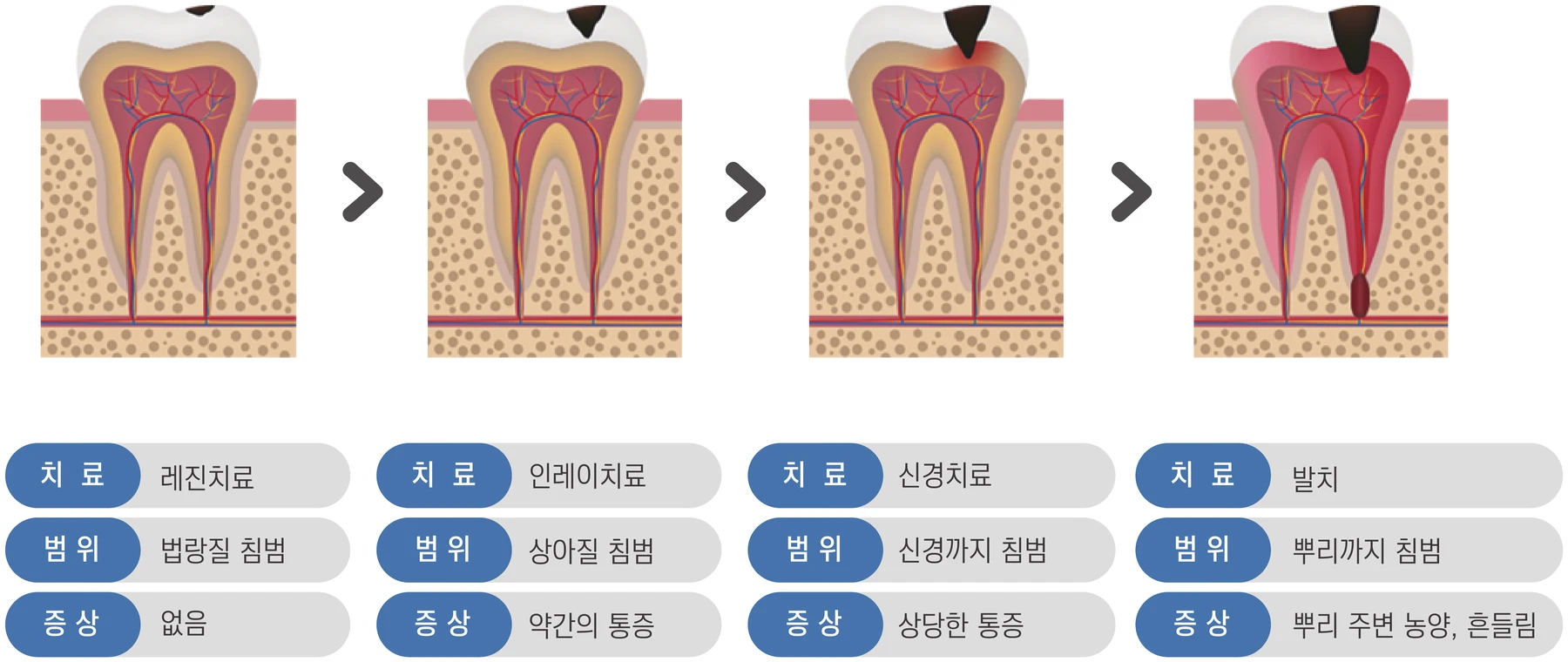
Early decay confined to the enamel causes little or no pain and is treated simply with composite filling. Once it reaches the nerve, root canal treatment becomes necessary, and if it progresses all the way to the root tip, extraction may be unavoidable. The earlier it is found, the smaller the treatment and the less the discomfort.
Types of cavity treatment
Inlay / onlay
An inlay is used for a relatively small area of decay, and an onlay where the affected area is larger.
Ceramic inlay
Made to match the colour of natural teeth, this suits larger or more visible areas of decay, and is a good option if you would rather not have existing amalgam or gold restorations on show.
Gold inlay
Suited to larger cavities and to molars that take heavy chewing forces. Gold is biocompatible, resists corrosion, and has strength and hardness similar to natural tooth.
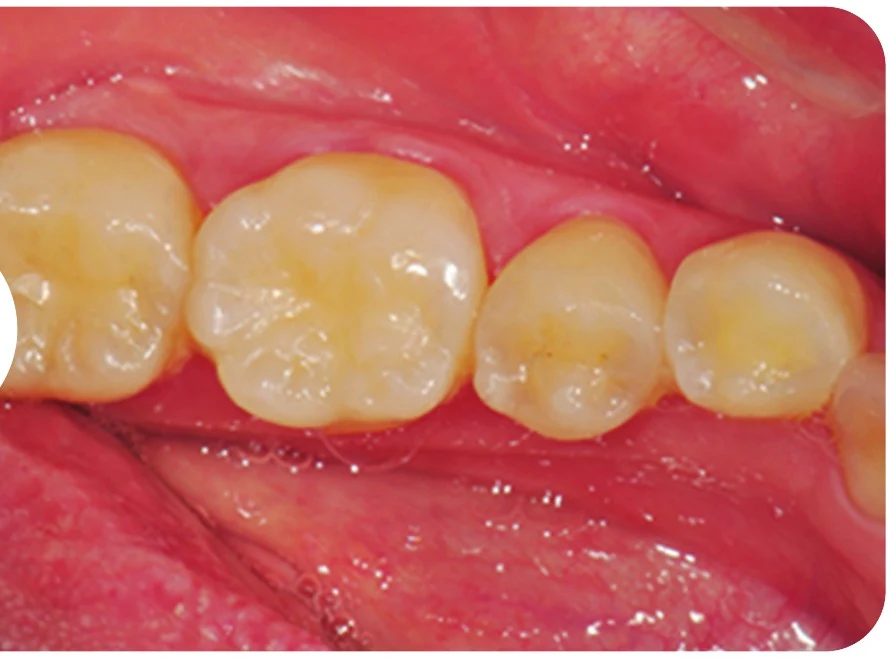
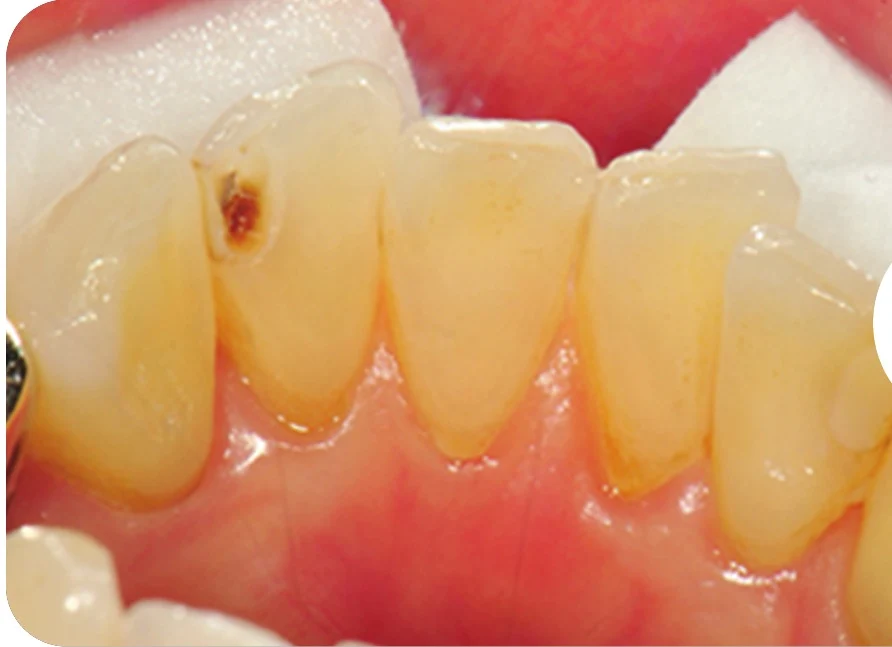
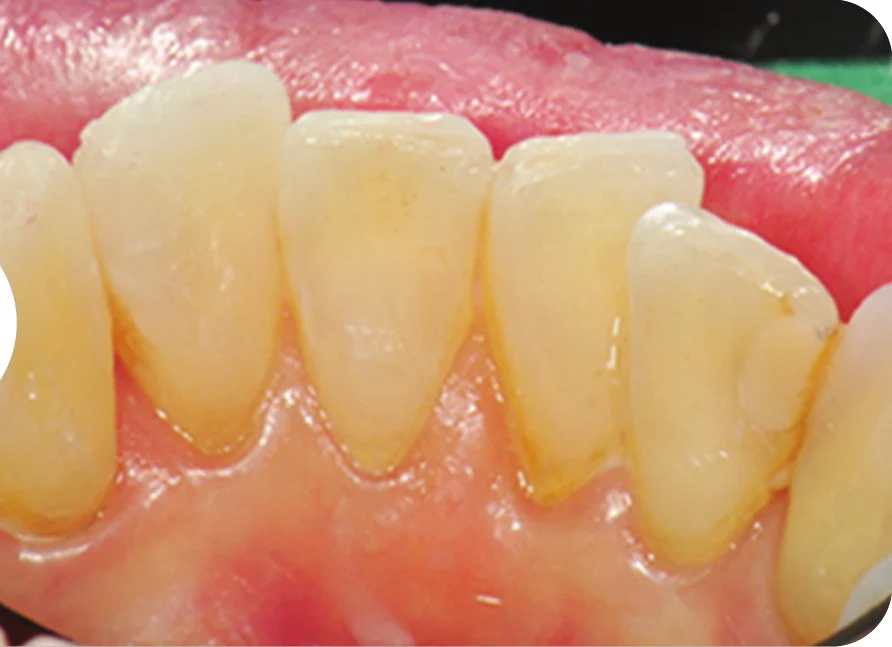
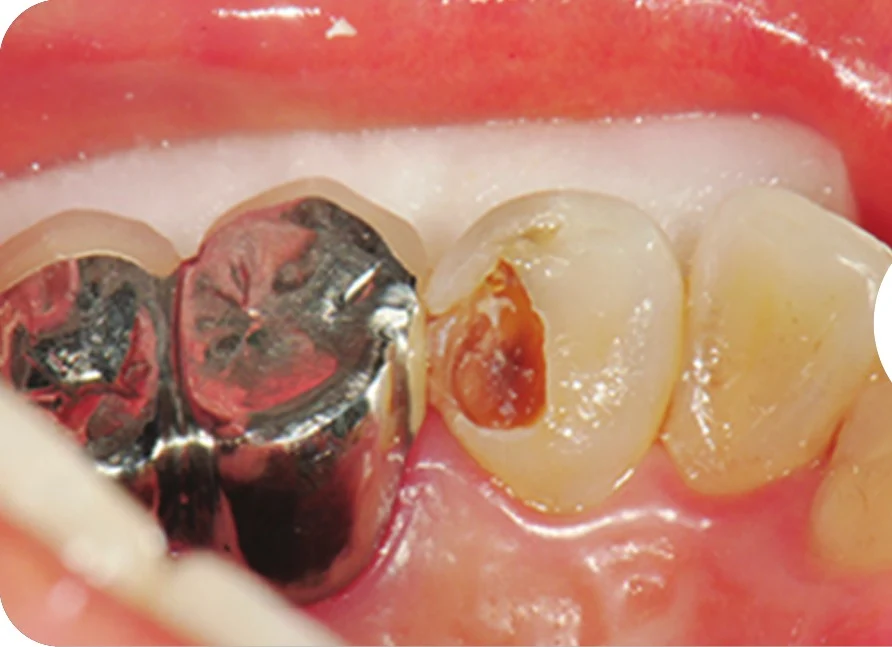
Actual composite filling cases
Composite filling gives an aesthetic result — here it was used to treat decay on the chewing surface and between the teeth.
Decay on the chewing surface
Two cases where decay on the chewing surface was confirmed by close examination, then only the decayed tissue was removed — preserving healthy structure — and restored with composite.
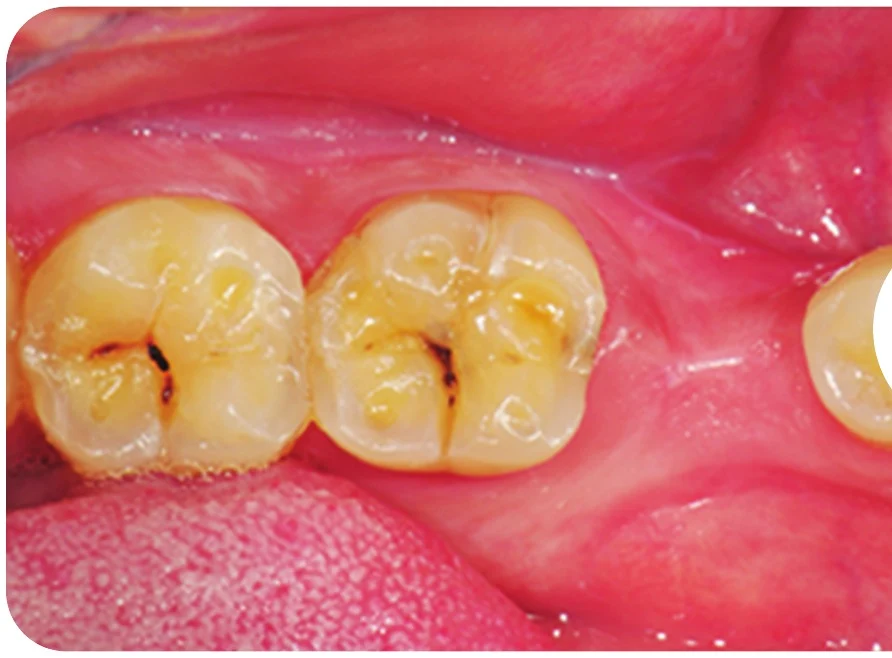
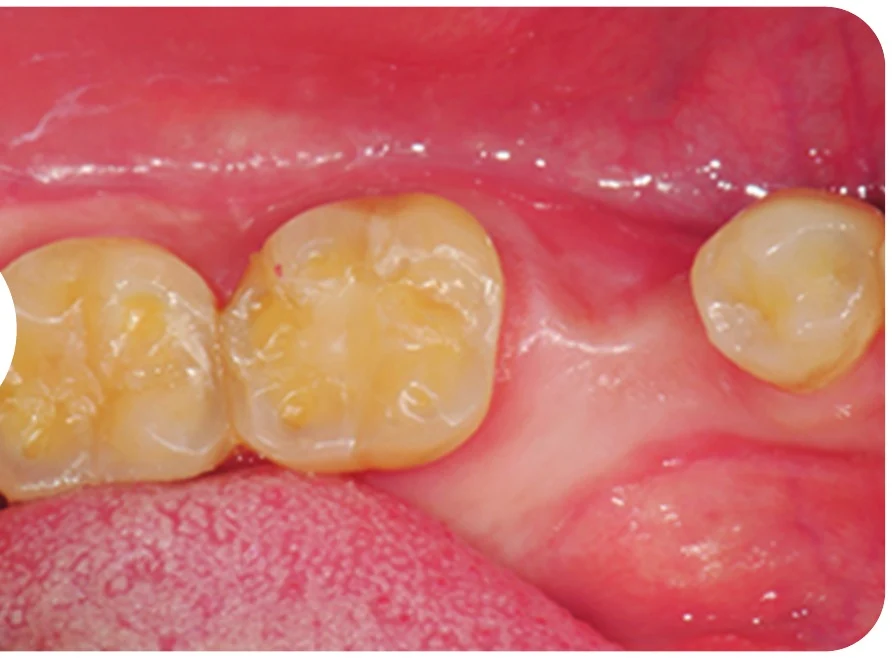
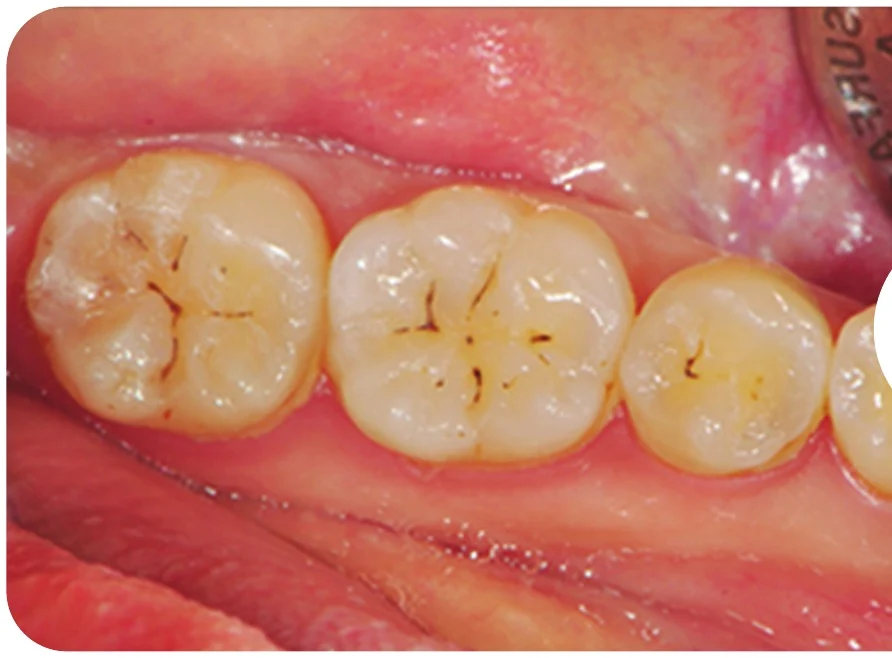
Decay between the teeth
Two cases of decay between the teeth: the extent was confirmed by close examination, and only the necessary part was removed and restored with composite.
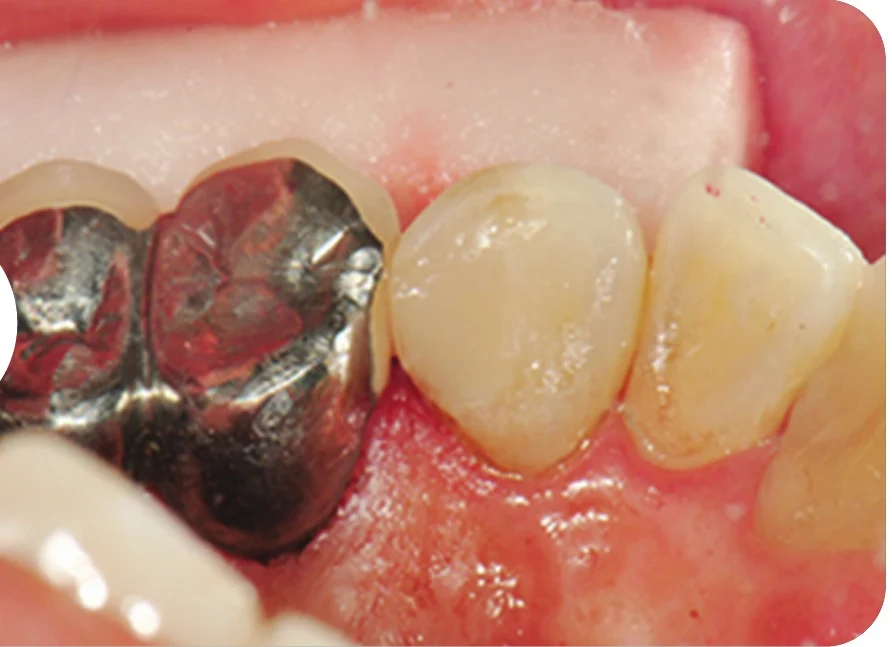
You can find more on inlay and crown materials, along with actual before-and-after photographs, on the prosthetic treatment page.
Prosthetic treatment page →These are actual cases treated at our clinic. Results vary from person to person, and side effects may occur.
← Back to general care